Header 3

Why SOC 2 Type 2 Compliance Is Critical for Secure Transportation Spend Management  

As logistics operations become increasingly digital, transportation spend management now depends heavily on sensitive data such as shipment records, freight invoices, pricing agreements, routing details, and payment information. While this data enables better visibility and freight cost optimization, it also introduces significant security risks. 

For organizations managing large transportation budgets, protecting logistics and financial data is no longer optional. This is where SOC 2 Type 2 compliance becomes essential. It is not just a regulatory requirement, it is a foundational safeguard that ensures transportation spend data remains secure, protected, and resilient against threats. 

Let’s explore why SOC 2 Type 2 compliance plays a vital role in strengthening data security within modern transportation spend management. 

Understanding SOC 2 Type 2 Compliance in Logistics 

SOC 2 Type 2 is an independent audit standard that evaluates how effectively an organization protects customer data over time. Unlike basic compliance certifications, it specifically assesses the ongoing effectiveness of security controls, rather than just their existence at a single point. 

In transportation spend management, SOC 2 Type 2 focuses on data security, ensuring that systems handling freight and financial information maintain strong protections against unauthorized access, breaches, and cyber threats. 

This includes verifying that organizations implement strict controls for: 

  • Secure access management 
  • Data encryption 
  • Continuous system monitoring 
  • Threat detection and response 
  • Secure infrastructure management 

Why Data Security Matters in Transportation Spend Management 

Transportation spend management involves large volumes of highly sensitive information, including: 

  • Carrier pricing agreements 
  • Contractual rate structures 
  • Shipment routing details 
  • Financial payment records 
  • Vendor performance data 

Without strong security measures, this data becomes vulnerable to cyberattacks, internal misuse, and unauthorized exposure. 

A single breach in a freight spend system can lead to: 

  • Financial losses 
  • Exposure of confidential contracts 
  • Supply chain disruptions 
  • Legal and compliance risks 
  • Damage to organizational reputation 

SOC 2 Type 2 compliance directly addresses these risks by ensuring robust, continuously monitored security controls. 

How SOC 2 Type 2 Strengthens Data Security 

The core strength of SOC 2 Type 2 lies in its focus on preventive, detective, and corrective security controls

SOC 2 Type 2–compliant transportation spend systems typically include: 

1. Role-Based Access Controls 

Only authorized personnel can view or modify sensitive freight and financial data, minimizing the risk of unauthorized access. 

2. End-to-End Data Encryption 

Sensitive information remains protected both during transmission and while stored within systems. 

3. Continuous Monitoring 

Systems are constantly monitored for unusual activity, enabling rapid detection of potential threats. 

4. Secure Audit Trails 

Every system interaction is logged, making it possible to trace access, identify risks, and investigate incidents. 

5. Incident Response Mechanisms 

Organizations must demonstrate structured procedures to quickly detect, respond to, and mitigate security events. 

These measures collectively create a strong security framework that protects transportation spend data throughout its lifecycle. 

Reducing Risk in Freight Audit Processes 

Freight auditing requires processing thousands of invoices, shipment records, and contract details. Without robust security controls, this environment can become a target for fraud, data manipulation, or cyber intrusion. 

SOC 2 Type 2 compliance helps reduce these risks by ensuring: 

  • Secure invoice handling 
  • Protected contract data storage 
  • Controlled system access during audits 
  • Continuous monitoring of audit workflows 

As a result, organizations gain greater confidence that their freight audit processes remain secure and tamper-resistant. 

How Audintel Ensures SOC 2 Type 2 Data Security 

Audintel addresses this need through a strong commitment to SOC 2 Type 2–compliant operations. Our transportation spend management platform is designed with a primary focus on data security, ensuring that sensitive logistics and financial information remains fully protected. 

Key security measures include: 

  • Strict role-based access controls 
  • End-to-end encrypted data handling 
  • Continuous security monitoring 
  • Secure system infrastructure 
  • Fully traceable audit trails for all transactions 

By combining advanced freight audit analytics with robust SOC 2 Type 2 security practices, Audintel helps organizations optimize transportation spend while maintaining the highest level of data protection. 

The Future of Secure Transportation Spend Management 

As supply chains become more digital and data-driven, cyber risks will continue to grow. Organizations that prioritize SOC 2 Type 2 compliance position themselves to better safeguard their transportation spend data, maintain operational resilience, and strengthen stakeholder confidence. 

Data security is no longer just a technical requirement , it is a strategic necessity for modern transportation spend management. 

Conclusion 

In today’s data-driven logistics environment, transportation spend management is inseparable from data security. SOC 2 Type 2 compliance ensures that systems managing freight costs are not only efficient, but also resilient against evolving cyber threats. 

At Audintel, we help organizations achieve secure, transparent, and optimized transportation spend management by combining SOC 2 Type 2–aligned security practices with advanced analytics, enabling businesses to reduce costs while keeping their logistics data fully protected. 

For further details, write to us at info@audintel.com or call us at +1 (619) 354 8539

FAQs 

What is SOC 2 Type 2 compliance in spend management? 
SOC 2 Type 2 is an independent audit certification that verifies whether a transportation spend management system consistently protects sensitive financial and logistics data through strong, continuously operating security controls. 

Why is SOC 2 Type 2 compliance important for logistics? 
It ensures that critical shipping, contract, and payment data is protected from unauthorized access, cyber threats, and data breaches over an extended period, not just at a single point in time. 

How does SOC 2 Type 2 compliance protect freight data? 

SOC 2 Type 2 requires controls like encryption, access management, monitoring, and audit trails to safeguard data integrity and confidentiality. 

Can SOC 2 Type 2–compliant systems reduce audit risk? 
Yes. They secure freight audit workflows by preventing unauthorized data changes, maintaining secure system access, and ensuring continuous monitoring of audit activities. 

What are the benefits of SOC 2 Type 2–certified freight platforms? 
They provide stronger data protection, reduce cybersecurity risks, enhance operational reliability, and ensure that sensitive transportation spend information remains secure. 

How does SOC 2 Type 2 improve trust in transportation spend management? 
It provides independent assurance that a platform maintains robust, continuously tested security practices, giving stakeholders confidence that their data is protected. 

Who needs SOC 2 Type 2-compliant spend management? 

Large shippers, logistics providers, freight auditors, and enterprises handling sensitive transportation data benefit from SOC 2 Type 2-compliant systems. 

Is SOC 2 Type 2 compliance mandatory for logistics providers? 
While not always legally required, many enterprises now expect SOC 2 Type 2 certification as a standard for secure data handling and vendor risk management. 

How does SOC 2 Type 2 compliance reduce data breach risks? 
It enforces continuous security monitoring, strict access restrictions, encrypted data handling, and structured incident response procedures that prevent unauthorized exposure. 

What makes a transportation spend system SOC 2 Type 2 compliant? 
It must pass an independent audit confirming that its security controls are properly designed, consistently implemented, and effectively operating over time to protect sensitive data. 

1 (5)

AI & Automation in Freight Spend Control

Freight spend is one of the largest and most complex cost components in logistics, and also one of the easiest places for value leakage to hide. From carrier contract complexity to invoice inaccuracies and limited visibility, many organizations know they’re overspending but struggle to pinpoint where and why.

At Audintel, we work with shippers who want clarity, control, and confidence in their transportation spend. By combining AI-driven freight auditing, automation, and deep contract intelligence, Audintel helps organizations move beyond basic freight audit toward intelligent freight spend management.

How AI and Automation Are Transforming Freight Spend Control

Traditional freight spend control relies on manual reviews, post-payment audits, and sampling methods. While these approaches catch obvious errors, they often miss systemic issues buried across thousands, or millions, of invoice line items.

Audintel applies AI and automation to bring structure and intelligence to freight spend control by:

  • Auditing 100% of freight invoices, not just samples
  • Interpreting complex carrier contracts and pricing rules
  • Continuously learning carrier billing behaviors
  • Providing greater visibility into transportation spend

The result is a shift from reactive correction to proactive, data-driven cost control.

AI-Driven Freight Auditing: Turning Invoice Data Into Actionable Insight

Freight invoices frequently contain errors such as:

  • Incorrect base rates or zone applications
  • Duplicate or repeated charges
  • Unauthorized accessorial fees
  • Fuel surcharge miscalculations
  • Contractual discounts not applied correctly

Audintel’s AI freight audit engine validates every invoice against contracted rates, shipment data, and historical trends.

How Audintel’s machine learning freight audit works:

  • Learns carrier-specific contract structures and billing patterns
  • Automatically flags discrepancies and anomalies
  • Identifies both rule-based errors and non-obvious cost deviations
  • Improves accuracy as more invoices are processed

This approach allows Audintel to uncover hidden overcharges that manual audits consistently miss, helping clients recover costs and prevent repeat leakage.

Freight Invoice Automation: Faster Reconciliation, Better Control

Manual invoice processing slows down finance teams, delays dispute resolution, and increases the risk of missed errors.

With freight invoice automation, Audintel enables organizations to:

  • Automatically ingest invoices from multiple carriers
  • Match invoices with shipment and contract data
  • Validate charges before payment or during post-payment audits
  • Accelerate dispute identification and recovery

Automation shortens audit cycles, improves accuracy, and allows logistics and finance teams to focus on strategic decision-making instead of administrative work.

Using AI for Freight Cost Optimization – not Just Auditing

Audintel’s approach goes beyond finding invoice errors. By combining logistics cost analytics with AI-driven auditing, we help organizations understand why costs occur and where optimization opportunities exist.

Through intelligent analysis of transportation spend data, Audintel supports:

  • Identification of recurring cost leakage patterns
  • Lane- and carrier-level spend visibility
  • Data-backed carrier contract negotiations
  • Continuous improvement in freight spend control

This transforms freight auditing from a compliance function into a strategic cost optimization capability.

Why Organizations Choose AI-Driven Transportation Spend Control with Audintel

Clients working with Audintel typically achieve:

  • x% freight spend recovery through overcharge identification (or overall savings can be added here. Any figures can be taken as avg for last 3 years)
  • Improved contract compliance and audit confidence
  • Faster invoice processing and dispute resolution
  • Clear visibility across carriers, modes, and lanes
  • Reduced dependence on manual audits and spreadsheets

More importantly, they gain trustworthy data to support smarter logistics and procurement decisions.

Frequently Asked Questions (FAQs)

How does AI help in freight spend control?

AI enables Audintel to automatically validate invoices, interpret carrier contracts, detect anomalies, and provide real-time visibility into transportation spend.

Can AI detect freight invoice errors?

Yes. Audintel’s AI identifies incorrect rates, duplicate charges, unauthorized accessorials, and other billing discrepancies at scale.

What are the benefits of AI freight auditing?

Higher audit accuracy, faster processing, improved recovery rates, and scalable freight spend control across large invoice volumes.

Is freight audit automation accurate?

Freight audit automation improves accuracy by validating 100% of invoices and continuously learning from carrier billing behavior.

How does automation improve freight cost management?

Automation reduces manual effort, speeds reconciliation, improves visibility, and allows teams to focus on optimization rather than correction.

Can AI reduce logistics overcharges?

Yes. By identifying both obvious and hidden billing errors, AI significantly reduces logistics overpayments.

Why use AI for transportation spend control?

AI provides consistency, scalability, and intelligence that manual audits cannot, especially in complex carrier environments.

How do freight audit platforms work?

Audintel’s platform ingests invoices, matches them to contracts and shipment data, validates charges using AI, and flags discrepancies for action.

Is AI cost-effective for freight management?

In most cases, the savings recovered through overcharge identification and process efficiency far exceed the cost of AI-driven freight management.

What tools use AI for freight auditing?

Audintel leverages machine learning, automation, and advanced analytics to deliver intelligent freight spend management.

Closing Perspective

Freight spend control is no longer about catching errors after the fact. With AI and automation, organizations can gain continuous visibility, stronger contract compliance, and sustainable cost optimization.

Audintel helps shippers turn freight data into insight, and insight into measurable savings, through intelligent, AI-driven transportation spend control. For further details, write to us at info@audintel.com or call us at +1 (619) 354 8539.

Features impacting Transportation Spend Management

Transportation Spend Management for effective cost management

Disruptions in the global supply chains are affecting businesses worldwide. The price of ocean and air freight is steadily increasing. Now, the global container freight rate is rising significantly. It has reached USD 5,900 in July 2024. For instance, DHL believes freight rates will increase in the next few months. The freight rate hike can be due to port congestion, strong demand, and other global factors. The freight rate hikes affect the profit margins of companies. With this information, shippers and shipping carriers can make better decisions regarding the time and place to ship their goods.

Further, cutting transportation costs is a priority for many companies. Supply chain challenges and uncertain economic growth are fueling cost-cutting measures in businesses. Investing in Transportation Spend Management can lower an organization’s shipping expenses. Earlier, we had discussed the concept of Transportation Spend Management. This article will examine the main aspects impacting Transportation Spend Management.

Management of transportation costs

Businesses have to bear expenses when shipping packages from one location to another. Transportation costs include fuel prices, warehouse fees, transportation modes, carrier rates, and more. Shippers with high shipping volumes and shifting consumer trends require a robust solution to reduce costs. Companies have to manage expenses with meticulous planning and efficiency.

Additional transportation expenses include shipping insurance, specialized handling, packaging, storage, etc. Managing transportation costs is challenging due to imbalances in inventory and regulatory compliance. Further, investing in technologies like Transportation Management Systems (TMS) and Warehouse Management Systems (WMS) is expensive and requires training and expertise.

Technology to manage costs-Transportation Spend Management

The overall visibility of transportation costs is possible through an advanced software, Transportation Spend Management  (TSM). In our previous blog, we explained the significance of TSM  in reducing costs. Transportation Spend Management normalizes transportation data. It analyzes data through tools like data analytics, tracking, and reporting. It tracks expenses and streamlines shipping operations. TSM solutions offer cost-saving opportunities and enhance customer satisfaction.

Factors Impacting Transportation Spend Management

TSM, or Transportation Spend Management, helps businesses stay competitive with increased customer satisfaction. It is essential to consider the following factors impacting Transportation Spend.

Various modes of transportation

Companies can reduce shipping expenses with various transportation modes. Shippers can reduce transportation costs by using many shipping modes like trucks, rail, air, and ocean freight according to the delivery requirements. For example, businesses can use trucks for short-distance delivery of goods. Shippers can decrease shipping costs and optimize route efficiency based on shipping requirements.

Supporting various modes of transportation can minimize delays and increase profits. A cost-effective strategy is to optimize the cargo capacity in the containers and reduce the empty spaces. Shippers need to explore the transportation modes and services as it will affect their business profits.

Shipments consolidation

Businesses have to fill the shipping containers so that shipping is cost-effective. Shipment consolidation involves merging small shipments into one shipment to a single destination. Consolidating shipments saves money and improves supply chain performance and operational efficiency. In addition, the cargo space in a shipping container increases with a decrease in individual trips.

Dimensional weight pricing by shipping carriers is costly. Shippers can reduce the dimensional weight charges by using compact packaging and box size reduction. Shipment consolidation lowers transportation costs and enhances customer satisfaction.

Distance and delivery speed of shipments

Long distances and faster delivery speed of shipments attract high invoice prices. Long-distance delivery of goods involves more fuel consumption and workforce. Express delivery services involve dedicated personnel and prioritized handling. Both these aspects of shipment delivery are expensive and can erode a company’s profit margins.

Employing strategies for regional sourcing of goods can decrease the delivery travel time. Shipping packages to distant locations by ocean freight is time-consuming, but it is a cost-effective option. Further, pre-planning to procure goods for shipping in a shorter transit time decreases transportation costs.

Negotiate Carrier rates and contracts

Shipping carriers offer shipping rates to companies based on market demand, capacity, distance, and service levels. The contractual agreements between shippers and shipping carriers include rates, payment terms, service levels, insurance coverage, and liability.

Negotiating carrier contracts and rates is challenging for businesses. Shippers can secure discounts and preferential rates from shipping carriers during contract negotiations. Negotiations with the shipping carriers are about services, delivery guarantees, rates, and surcharges. Further, businesses can negotiate flexible contractual agreements with reliable shipping carriers. Shippers benefit from discounts and lower rates by building strong carrier relationships.

Utilization of technological solutions

Data analytics provides real-time visibility into shipping operations. Internet of Things (IoT) sensors monitor cargo conditions to ensure it is safe from damage with proper handling. Automation technologies like robotics and autonomous vehicles can streamline the order fulfillment process. Transportation Spend Management works on AI-powered platforms to monitor and track on-time deliveries of packages.

Companies that utilize technological solutions like Machine Learning and intelligent algorithms can analyze shipping data and save money. Further, businesses can benefit from dynamic Transportation Spend Management with real-time operational visibility.

Partnering with third-party logistics

Businesses benefit by partnering with third-party logistics (3PLs) as they streamline shipping operations. Functions like warehouse management, labor, equipment, and fleet management can reduce transportation costs effectively. Further, 3PLs use the latest technological developments for efficient transportation processes.

3PLs offer flexibility to businesses to use resources based on their needs. They help shippers deal with delays in shipping goods and other unforeseen circumstances. 3PLs can reduce transportation costs with their expertise and resources.

How does Audintel lower transportation costs with Transportation Spend Management?

Audintel helps clients control their shipping expenses with its Transportation Management (TSM) services. We offer parcel and freight audit services that can identify mistakes in shipping invoices among more than fifty audit checkpoints. Our teams process carrier invoices and identify unwarranted charges with our Multi-point invoice audit. Companies can avoid penalties with our timely invoice processing and payments.

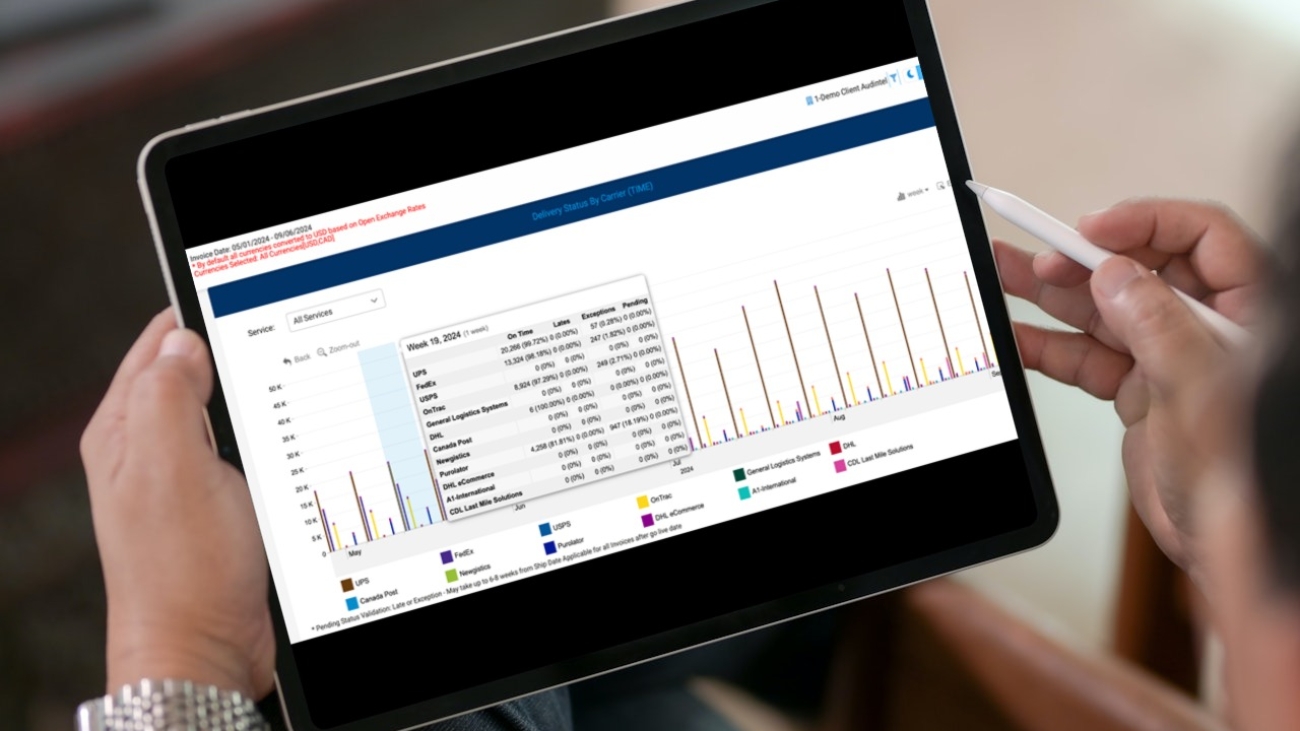
Audintel’s intuitive and customizable dashboards lower transportation costs and optimize shipping operations. Shippers can get in-depth, real-time data on shipment expenses. We help businesses save transportation costs by minimizing failed deliveries and aiding in refund processes. Our team has experts in carrier contract negotiations to help shippers negotiate efficiently with shipping carriers. Our comprehensive tools with customizable shipping reports save money for our clients.

Audintel optimizes freight costs with its TSM services. We leverage historical shipping data to gain insights into cost-saving opportunities for shippers. Clients can track their freight in real-time and identify discrepancies in shipment deliveries. Our TSM solutions highlight cost-saving opportunities for shippers with actionable freight data. Audintel’s SaaS Business Intelligence portal provides greater clarity of carrier performance, making it easier to choose reliable shipping carriers.

The bottom line

To avoid geopolitical disruptions and increases in shipping costs, companies are rethinking their supply chain management. Shippers are changing their manufacturing location, product lines, and procurement strategies. Shippers have to meet customer expectations with faster deliveries while decreasing shipping costs. It is challenging but possible when you partner with reliable service providers like Audintel.

We help businesses control their transportation spend through our TSM solutions. Our AI-powered software tools analyze shipping expenses and identify areas for cost reduction. The actionable, agile platform of Audintel gives real-time analysis of shipping data. Our TSM cloud-based solutions reduce organizational costs and increase operational efficiencies. Our support staff negotiates to get refunds from carriers on time. Audintel is continuously embracing technological advancements and optimizing transportation spend. For effective budgeting and expense reduction, use our TSM services.

To try our state-of-the-art TSM services, contact us at +1 (619) 354 8539. Additionally, visit the Audintel website to explore ways of reducing transportation costs with our products and services.