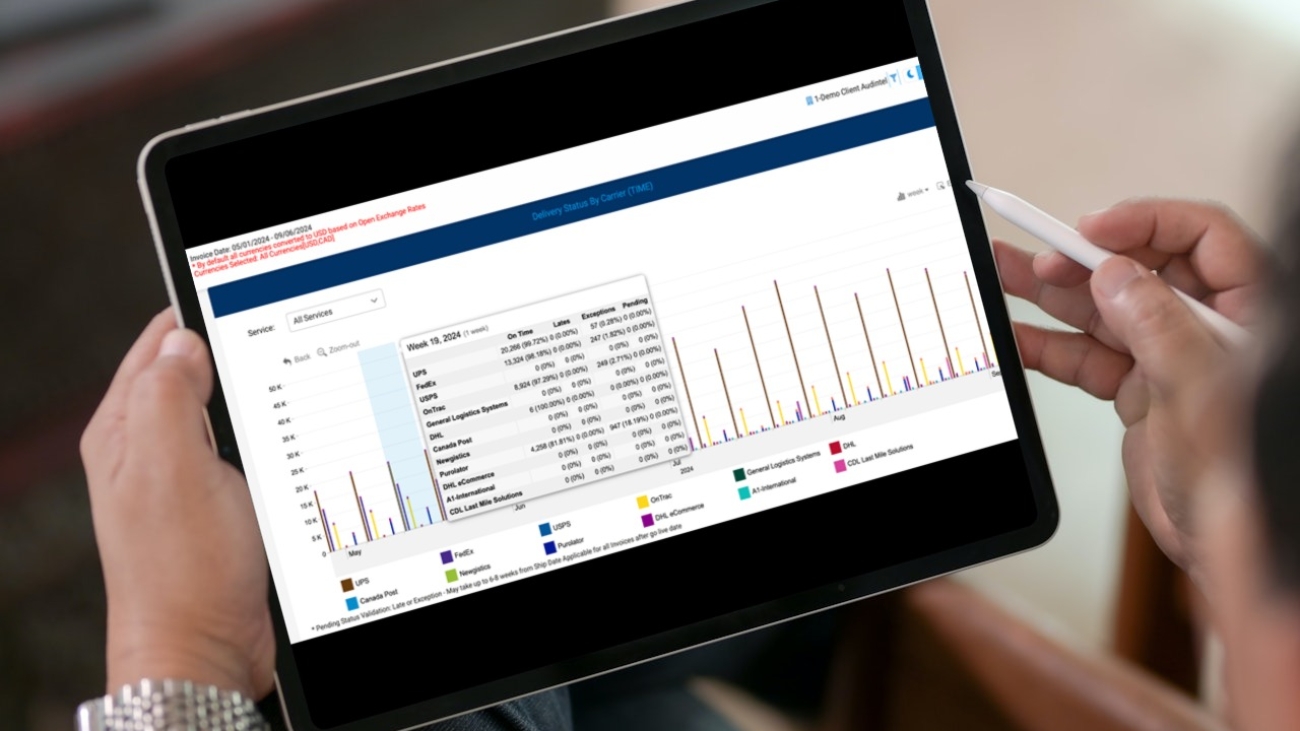

In modern enterprise logistics, macroeconomic volatility is an embedded operating condition. Among the single most unpredictable line items affecting corporate freight spend today is the continuous fluctuation of variable fuel surcharges. Driven by geopolitical turbulence, shifting energy policies, and macroeconomic instability, freight fuel cost volatility forces national and regional carriers to alter their pricing models rapidly. For logistics executives, operating without a rigorous, data-driven transportation fuel surcharge strategy means leaving gross margins exposed to sudden, severe budget variances.
The Hidden Impact of Fuel Surcharges on Shipping Costs
While many companies view fuel fees as an immutable pass-through cost linked straight to federal indices, the structural reality of carrier fuel surcharge programs is vastly more nuanced. Carriers do not apply standard fuel indexes uniformly. Instead, each individual carrier constructs a custom, proprietary fuel matrix where the baseline trigger prices, step-interval percentages, and localized regional adjustments vary wildly.
This variance frequently leads to an amplified, hidden fuel surcharge impact on shipping costs. When standard line-haul base rates are adjusted downward during annual contract negotiations, carriers frequently recover lost margins by aggressively shifting the financial weight onto their variable fuel matrices. Without dedicated verification at the invoice line-item level, shippers routinely overpay for fuel adjustments on lanes that may not justify the localized index application.
The Compound Variance Risk: A minor movement in the federal fuel index can result in significantly different costs between two separate carriers on the exact same shipping lane. If Carrier A utilizes a 1-cent interval matrix and Carrier B uses a 5-cent interval matrix, a nominal drop or surge in fuel prices creates immediate invoice discrepancies that leak enterprise cash.
Strategic Pillars for Logistics Fuel Surcharge Management
To establish true freight cost control for fuel surcharges, enterprise organizations must move away from spreadsheet-based tracking and implement a three-tiered optimization model:
1. Structural Fuel Surcharge Benchmarking
Shippers must benchmark their current fuel surcharge structures against broader market norms. This involves pulling extensive historical data to analyze the exact moment a carrier’s fuel multiplier scales up. By identifying which carriers feature highly aggressive step-intervals in their matrices, procurement teams can rank partners not just by standard line-haul rates, but by their “true net cost” inclusive of localized fuel exposure.
2. Predictive Fuel Surcharge Forecasting in Logistics
Modern supply chain budgeting requires predictive modeling. By cross-referencing global energy trends with historical shipping profiles, logistics analysts can simulate future cost projections. Predictive forecasting enables supply chain managers to confidently adjust product pricing, shift inventory across fulfillment nodes closer to consumer zip codes, or strategically reallocate volume to lower-volatility lanes before a seasonal spike hits the index.
3. Advanced Matrix Standardization
Rather than quietly accepting whatever carrier fuel surcharge program a partner provides, shippers should aggressively negotiate customized fuel matrices during contract reviews. Establishing a single, uniform fuel table across your entire carrier network eliminates systemic billing anomalies and streamlines predictive spend visibility.
Achieving Supply Chain Fuel Cost Optimization with Audintel
Manually auditing, benchmarking, and calculating variable carrier matrices across tens of thousands of freight invoices is humanly impossible. Achieving real, measurable success in reducing fuel surcharge expenses requires automated infrastructure. The Audintel Transportation Spend Management (TSM) platform serves as an essential central nervous system for complex freight cost management.
Audintel’s advanced audit technology continuously scans every single incoming transportation invoice, isolating line-haul costs from ancillary fuel surcharges. The platform instantly recalculates each carrier’s custom fuel matrix down to the exact shipping date and zip-code route, verifying that the applied surcharge strictly aligns with your negotiated contract parameters. Any overcharge, miscalculated index application, or erroneous billing interval is flagged automatically for immediate dispute and recovery.
Furthermore, Audintel delivers the deep data analytics required for strategic freight fuel surcharge optimization. The platform’s business intelligence tools allow you to model complex “what-if” scenarios, enabling you to test how an unexpected 15% surge in diesel prices would impact your net operating margins across different carrier combinations. Armed with this level of empirical visibility, your procurement team can enter future contract negotiations backed by unassailable data – allowing you to demand custom fuel caps, zero-base triggers, or standardized tables that shield your enterprise from market volatility.
For further details, write to us at info@audintel.com or call us at +1 (619) 354 8539.
FAQs
What are variable fuel surcharges?
Variable fuel surcharges are fluctuating fees carriers add on top of base freight rates to account for changing fuel costs. Unlike a fixed fee, they move up or down based on each carrier’s own custom fuel matrix, which ties surcharge levels to fuel price indexes.
How do fuel surcharges affect transportation costs?
Fuel surcharges can significantly inflate total freight spend, especially when carriers shift lost margin from base rate negotiations into their fuel matrices. Since surcharges are calculated differently by each carrier, they can create major cost differences even on identical shipping lanes.
Why do fuel surcharges change so often?
Fuel surcharges change frequently because they’re driven by geopolitical turbulence, shifting energy policies, and macroeconomic instability. These factors cause fuel indexes to move constantly, and carriers adjust their surcharges in response, often with little transparency.
How can I reduce fuel surcharge expenses?
Reducing fuel surcharge expenses requires benchmarking carrier fuel matrices, using predictive forecasting to anticipate cost changes, and standardizing fuel tables across your carrier network. Automated invoice auditing is also essential to catch overcharges and billing errors that manual tracking would miss.
What factors influence fuel surcharge rates?
Fuel surcharge rates are influenced by each carrier’s baseline trigger prices, step-interval percentages, and localized regional adjustments. Since these elements vary by carrier, the same fuel index movement can produce very different surcharge outcomes across your network.
How are freight fuel surcharges calculated?
Freight fuel surcharges are calculated using a carrier-specific fuel matrix that applies step-interval percentages once fuel prices cross certain trigger points. For example, one carrier might use a 1-cent interval matrix while another uses a 5-cent interval, producing different costs for the same fuel price movement.
How do carriers determine fuel surcharges?
Carriers determine fuel surcharges through proprietary fuel matrices rather than a single standardized federal index. Each carrier sets its own baseline triggers and adjustment intervals, meaning surcharge amounts can vary widely between carriers even under identical market conditions.
How can I forecast fuel surcharge costs?
Forecasting fuel surcharge costs involves cross-referencing global energy trends with historical shipping profiles to simulate future cost projections. This predictive approach helps supply chain managers adjust pricing, shift inventory, or reallocate volume before a seasonal fuel spike hits.
What is the impact of fuel price volatility on logistics?
Fuel price volatility exposes gross margins to sudden, severe budget variances if not actively managed. Without a data-driven strategy, logistics organizations risk absorbing unpredictable cost swings that undermine budgeting accuracy and profitability.
Should I negotiate fuel surcharge programs with carriers?
Yes. Rather than accepting whatever fuel surcharge program a carrier offers, shippers should actively negotiate customized fuel matrices during contract reviews. This helps eliminate billing anomalies and creates more predictable, standardized spend visibility.
How can transportation analytics help manage fuel costs?
Transportation analytics platforms continuously audit every incoming invoice, isolating fuel surcharges from base line-haul costs and verifying they align with contracted terms. This automated visibility flags overcharges and miscalculations that would be impossible to catch through manual review.
What is the best strategy for managing fuel surcharges?
The most effective strategy combines three pillars: benchmarking carrier fuel structures against market norms, using predictive forecasting to anticipate cost shifts, and standardizing fuel matrices across your entire carrier network to eliminate billing inconsistencies. Using Transportation Spend Management solutions like Audintel, can help.
How often should fuel surcharge tables be reviewed?
Fuel surcharge tables should be reviewed continuously, not just at contract renewal. Because carriers can shift surcharge weight to recover margin after rate negotiations, ongoing monitoring is necessary to catch changes as they happen rather than after costs have already accumulated.
Can fuel surcharges significantly increase freight spend?
Yes. A minor movement in the federal fuel index can create significantly different costs between carriers on the exact same lane, depending on each carrier’s matrix interval. Left unmonitored, this can leak substantial cash from freight budgets over time.
How do fuel surcharges impact supply chain budgeting?
Fuel surcharges introduce unpredictability into supply chain budgeting because they aren’t tied to a single, uniform index. Without predictive modeling and matrix standardization, organizations face difficulty projecting freight costs accurately and protecting margins from market volatility.