
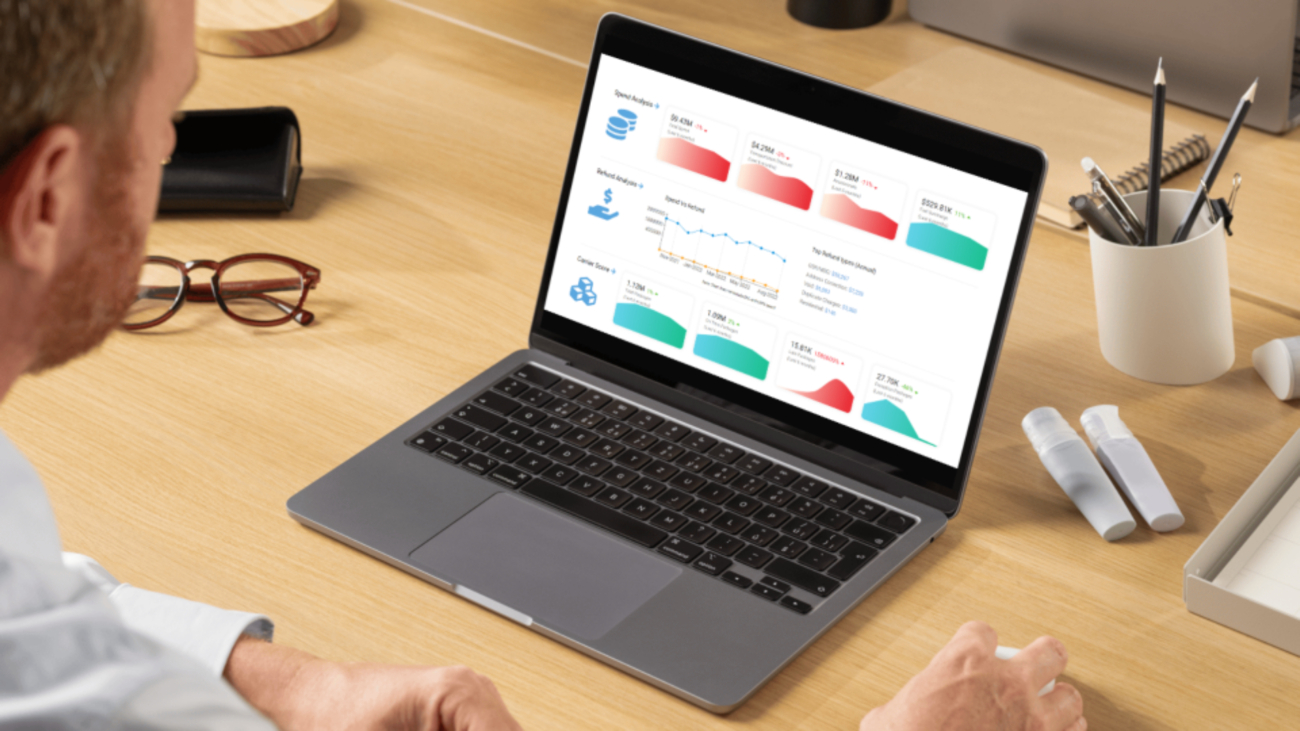
One of the most critical questions for retailers in 2026 is “How much is shipment actually costing us?” As rising carrier rates and layered surcharges continue to erode margins, the industry is shifting toward a new standard, Total Landed Cost Visibility.
Traditional tracking tells you a package is on the move. Spend visibility tells you whether that movement is profitable.
Tracking vs. Spend Visibility: Understanding the Gap
Parcel tracking has always been designed for the customer. It answers questions about delivery timelines and shipment status. But it leaves a critical gap when it comes to financial insight.
Spend visibility, on the other hand, focuses on the business side of logistics. It breaks down every cost component-base rates, fuel surcharges, peak fees, and accessorials, to reveal the true cost of shipping.
This distinction matters because a retailer can achieve excellent delivery performance while still losing significant margin due to hidden costs. Without visibility into spend, logistics becomes a blind spot in profitability.
Why Retailers Must Shift Focus to Spend
One of the biggest risks in modern logistics is what many call the “GRI illusion.” Carriers may announce modest rate increases, but the actual impact on retailers is often much higher once surcharges are factored in.
The real margin erosion comes from costs that are rarely visible in traditional tracking systems.
The Hidden Profit Killers
Dimensional weight pricing is one of the most overlooked challenges. When packaging is larger than necessary, businesses end up paying for unused space, essentially shipping air. This inefficiency often goes unnoticed without detailed cost analysis.
Residential deliveries add another layer of cost. With the majority of e-commerce shipments going to homes, recurring surcharges can quietly chip away at margins, especially for low-value orders.
Address correction fees are another silent expense. A small error in customer input can trigger significant charges, which accumulate quickly at scale. These are patterns that only shipping analytics can identify and help prevent.
The Audintel Advantage: Turning Spend into Strategy
This is where Audintel plays a critical role. Instead of focusing on shipment tracking, Audintel focuses on what truly impacts profitability, spend intelligence.
End-to-End Shipping Spend Analysis
Audintel provides a comprehensive view of logistics costs by analyzing carrier contracts, auditing invoices, and identifying cost leakage points.
Their approach enables retailers to understand the total landed cost of every shipment, not just where it is, but what it truly costs.
Through detailed analytics, businesses can benchmark their shipping spend against industry standards, gaining the leverage needed for smarter, data-backed carrier negotiations.
At the same time, automated audit systems validate every invoice against multiple checkpoints. Late deliveries, incorrect surcharges, and billing discrepancies are flagged and recovered, ensuring that no cost error goes unnoticed.
Redefining Visibility for Retail Leaders
For today’s retail decision-makers, visibility must go beyond operational tracking. It must include a complete financial picture of logistics.
This means understanding:
- The base transportation costs and fuel charges
- The impact of accessorials like residential and peak fees
- The relationship between shipping cost and order value
With this level of insight, logistics shifts from being an unpredictable expense to a controllable, strategic function.
From Cost Center to Strategic Advantage
Retailers that embrace spend visibility are no longer reacting to shipping costs, they are actively managing and optimizing them.
By leveraging solutions from Audintel, businesses can:
- Identify and recover hidden costs
- Improve carrier accountability
- Make smarter pricing and shipping decisions
- Protect margins even in a volatile rate environment
The result is a transformation: logistics is no longer just about delivery, it becomes a driver of profitability and competitive advantage.
For further details, write to us at info@audintel.com or call us at +1 (619) 354 8539.
FAQs: Shipping Spend Visibility in Retail
1. Why is tracking not enough for shipping visibility?
Tracking only shows shipment status, while spend visibility reveals the actual costs involved, including hidden fees and surcharges that impact profitability.
2. What is shipping spend visibility in retail?
It is the ability to analyze and understand all cost components associated with shipping, from base rates to accessorial charges, to determine true landed cost.
3. How can retailers track shipping costs effectively?
By using platforms that audit invoices, analyze carrier contracts, and provide detailed cost breakdowns rather than relying solely on tracking data.
4. What is the difference between tracking and spend visibility?
Tracking focuses on delivery timelines and status, while spend visibility focuses on cost analysis and financial impact.
5. How to gain full visibility into logistics costs?
By implementing centralized systems that analyze invoices, contracts, and cost trends to uncover hidden expenses and inefficiencies.
6. Why do retailers need transportation spend insights?
Because without cost insights, businesses risk losing margin due to unnoticed surcharges, inefficiencies, and billing errors.
7. How can shipping analytics reduce costs?
Analytics identify patterns, highlight inefficiencies, and uncover overcharges, enabling businesses to take corrective actions.
8. What are hidden costs in parcel shipping?
Common hidden costs include dimensional weight charges, residential surcharges, address correction fees, and peak season fees.
9. How does spend visibility improve retail logistics?
It enables better decision-making, cost control, and optimization of carrier contracts and shipping strategies.
10. What tools provide end to end shipping visibility?
Tools that combine invoice auditing, contract analysis, and advanced analytics provide true end-to-end cost visibility.
11. How to optimize retail shipping using data?
By analyzing shipping patterns, benchmarking costs, and aligning carrier contracts with actual business needs.
12. Can tracking data alone improve logistics performance?
No, tracking improves operational visibility but does not address cost inefficiencies or financial performance. For that you need spend visibility.
13. What metrics matter beyond shipment tracking?
Key metrics include total landed cost, cost per shipment, surcharge impact, and shipping cost as a percentage of order value.
14. How to uncover inefficiencies in shipping spend?
Through detailed invoice audits and analytics that identify discrepancies, trends, and cost leakage points.
15. What is the role of analytics in shipping visibility?
Analytics transform raw shipping data into actionable insights, helping businesses control costs and improve profitability.